
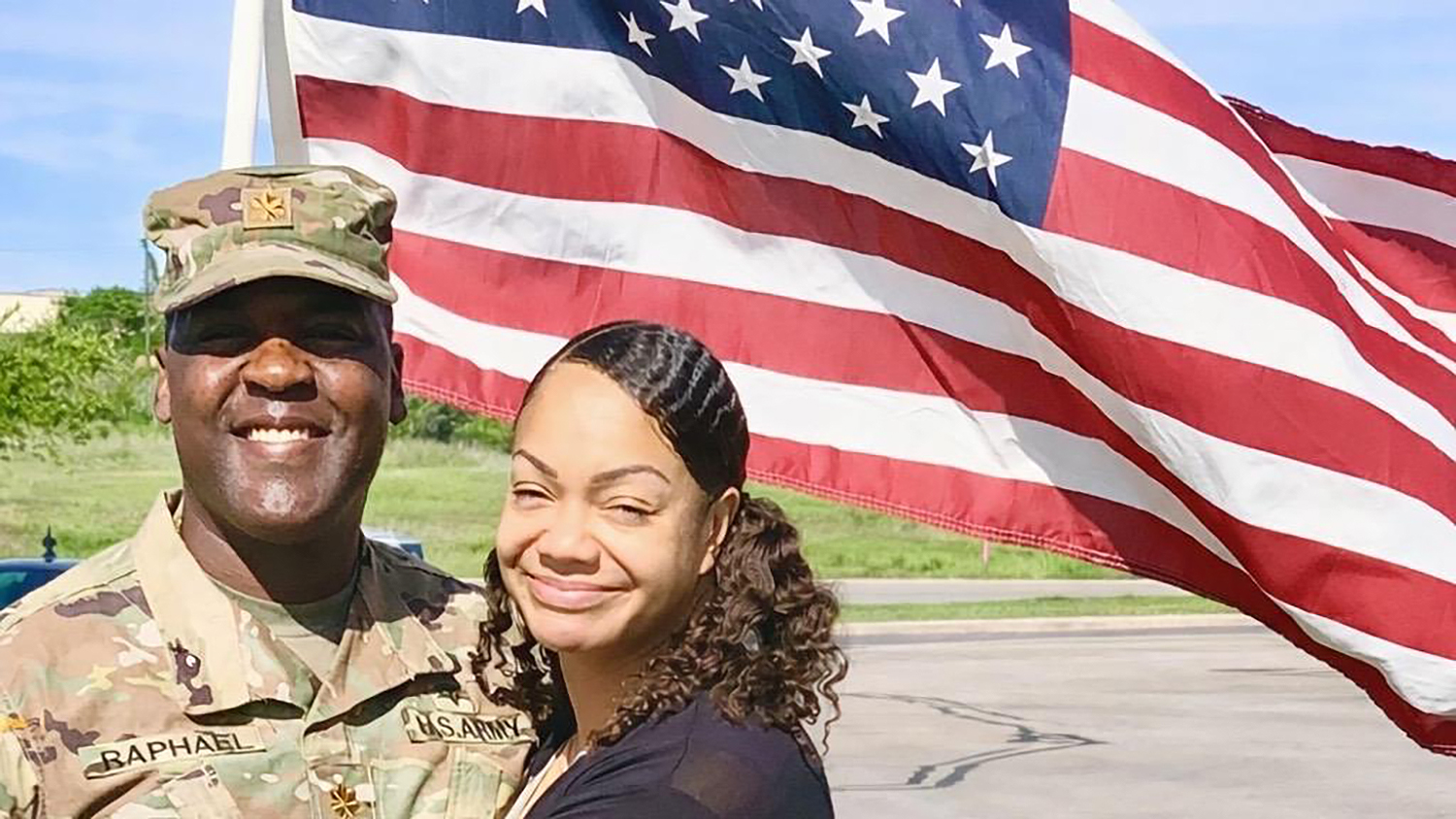
For decades, Paolo Raphael managed chronic breathing problems without understanding their cause.
Raphael, 55, a retired Major in the U.S. Army, traces the symptoms to his youth. “I’m going to say all the way back to my teenage years,” he said. As a young teenager, he experienced frequent nosebleeds, sinus pressure, and episodes of shortness of breath, particularly during physical activity or hot weather. “You just deal with it,” Raphael said. “You sit down for a moment, catch your breath, and keep going.”
Those symptoms continued into adulthood and throughout his military career. Raphael served as a logistics officer, participating in domestic and international operations. Crystal, his wife, also retired from the U.S. Army, serving as a Captain in military intelligence. Together, they have a blended family with three children.
During Raphael’s training exercises and other physically demanding situations, sinus pressure and breathing difficulty would appear suddenly.
“My eyes would get blurry, and I couldn’t breathe,” he said. He sought medical care multiple times, but treatment typically focused on antihistamines and other short-term solutions. “All my life, I’ve had some type of nasal issue that I never fully understood,” Raphael said.
Disruptive snoring
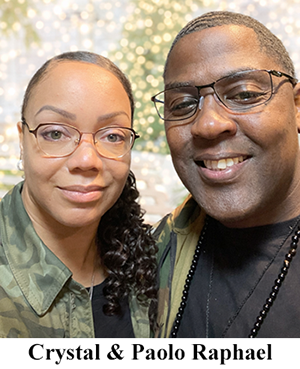
As he got older, the condition progressed. He began snoring heavily and waking up feeling unrefreshed. His snoring was disruptive enough that his wife tried to wake him repeatedly during the night.
Raphael was diagnosed with sleep apnea and began using a CPAP machine. While it helped, it did not fully resolve the problem. “I would still get congested at night,” he said. “I felt like I was going to suffocate when the nasal passage closed off.”
Raphael relied heavily on over-the-counter medications, nasal sprays, and decongestants to manage daily symptoms. He said the turning point came after mowing his lawn, when grass clippings triggered severe congestion, coughing, and nasal drainage. “I felt like I was going to die,” he said.
New diagnosis
That episode resulted in a referral to an otolaryngologist, Evan Longfield, M.D. During the initial evaluation, Raphael said he immediately noticed a different approach. “He took the time to explain things,” Raphael said. “He brought out the models and showed me what the inside of my nasal cavity actually looked like.”
Dr. Longfield diagnosed Raphael with a deviated septum and enlarged nasal turbinates, conditions that can significantly restrict airflow. The findings provided long-awaited clarity to his condition.
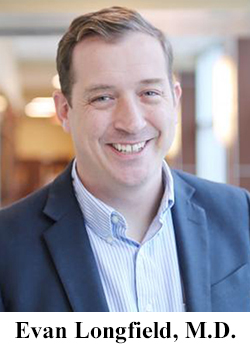
Dr. Longfield recommended a septoplasty combined with turbinate reduction, outpatient procedures commonly performed together to improve nasal airflow. Raphael said the decision to proceed was straightforward. “Once it was explained, it made sense,” he said.
The procedures to straighten the deviated (crooked) septum and improve airflow were performed under general anesthesia, taking approximately one hour. There was some discomfort after surgery, but Raphael’s recovery was smoother than he expected. “I wasn’t laid up,” he said. “The medication was very manageable, and I could still function.”
Even during the early recovery phase, Raphael noticed improvement. “I already feel the difference,” he said. He also praised the consistency and clarity of communication from the medical team. “Everything that was explained to me happened exactly the way they said it would,” he said.
Family time
Looking ahead, Raphael is focused on regaining everyday activities that once triggered anxiety. “I want to be able to go outside and not worry that my nasal passage is going to close off,” he said.
Raphael and his wife are planning to enjoy living in Texas and help relocate elderly family members from New York. With improved breathing and better sleep, Raphael said he feels much improved. “This is the feeling I’ve been hoping for,” he said.
For more information about our ear, nose and throat services with Wellstone Health Partners and to make an appointment, visit our web page.